Before the long drive: a proper pre-trip vehicle check
Country distances punish small problems that suburban driving hides. Here's what to check before you load the car.
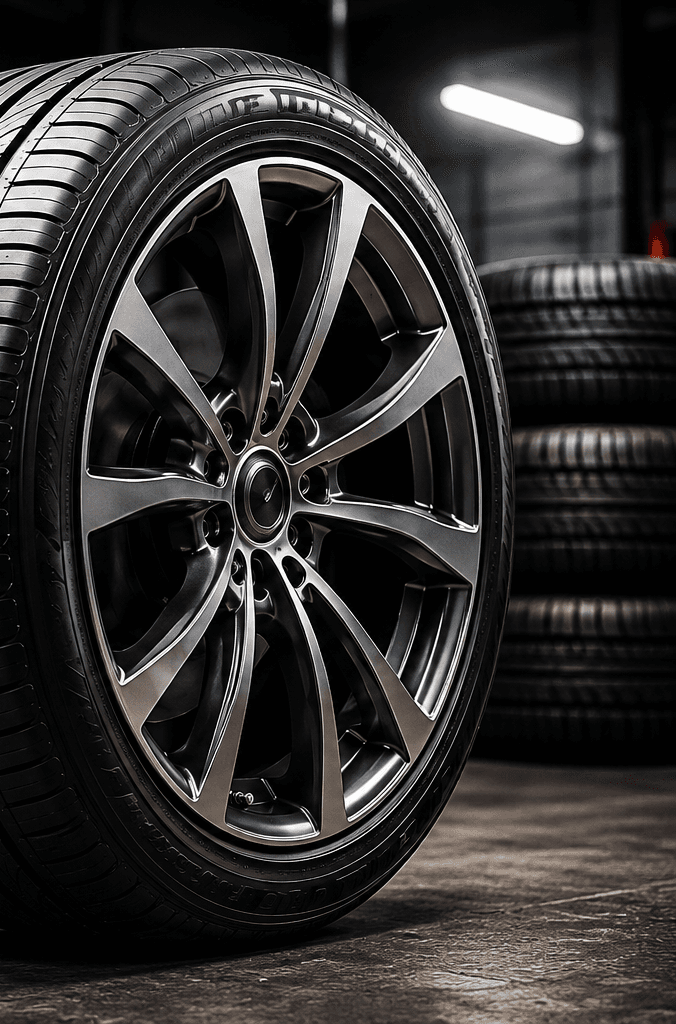
Australian road trips are long, hot and often far from the nearest workshop. A cooling system weakness that never shows itself on a 15-minute commute will find you 200 kilometres from the nearest town, fully loaded, in 38-degree heat.
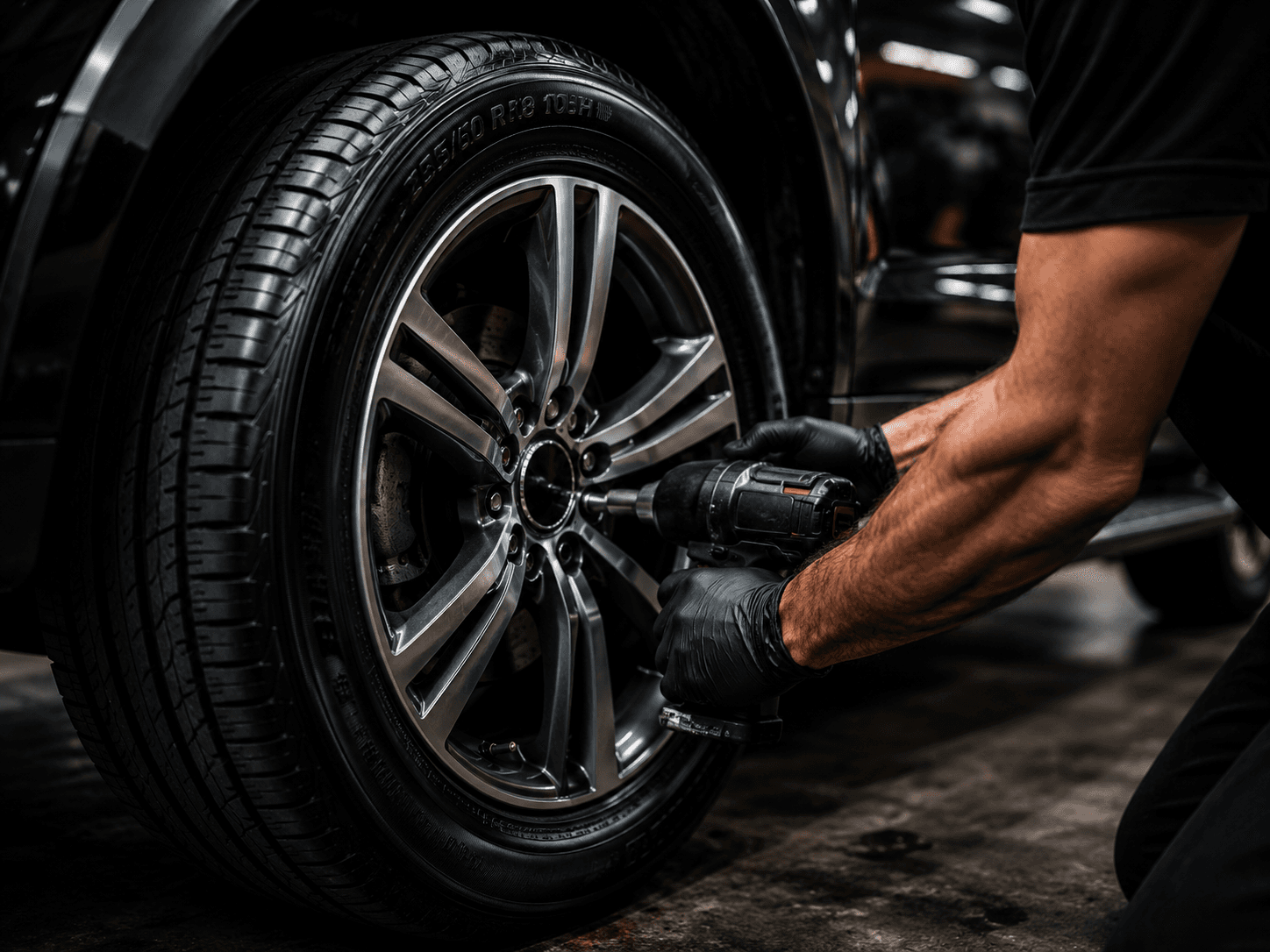
Tyres, including the spare
- Check tread depth across the whole width, not just the middle — uneven wear points to alignment or pressure problems
- Set pressures to the placard inside the driver's door frame, cold, and raise them if you are carrying a full load
- Look at the sidewalls for cracking and bulges; tyres age even with plenty of tread left
- Check the spare is inflated and that the jack and wheel brace are actually in the car
Cooling system
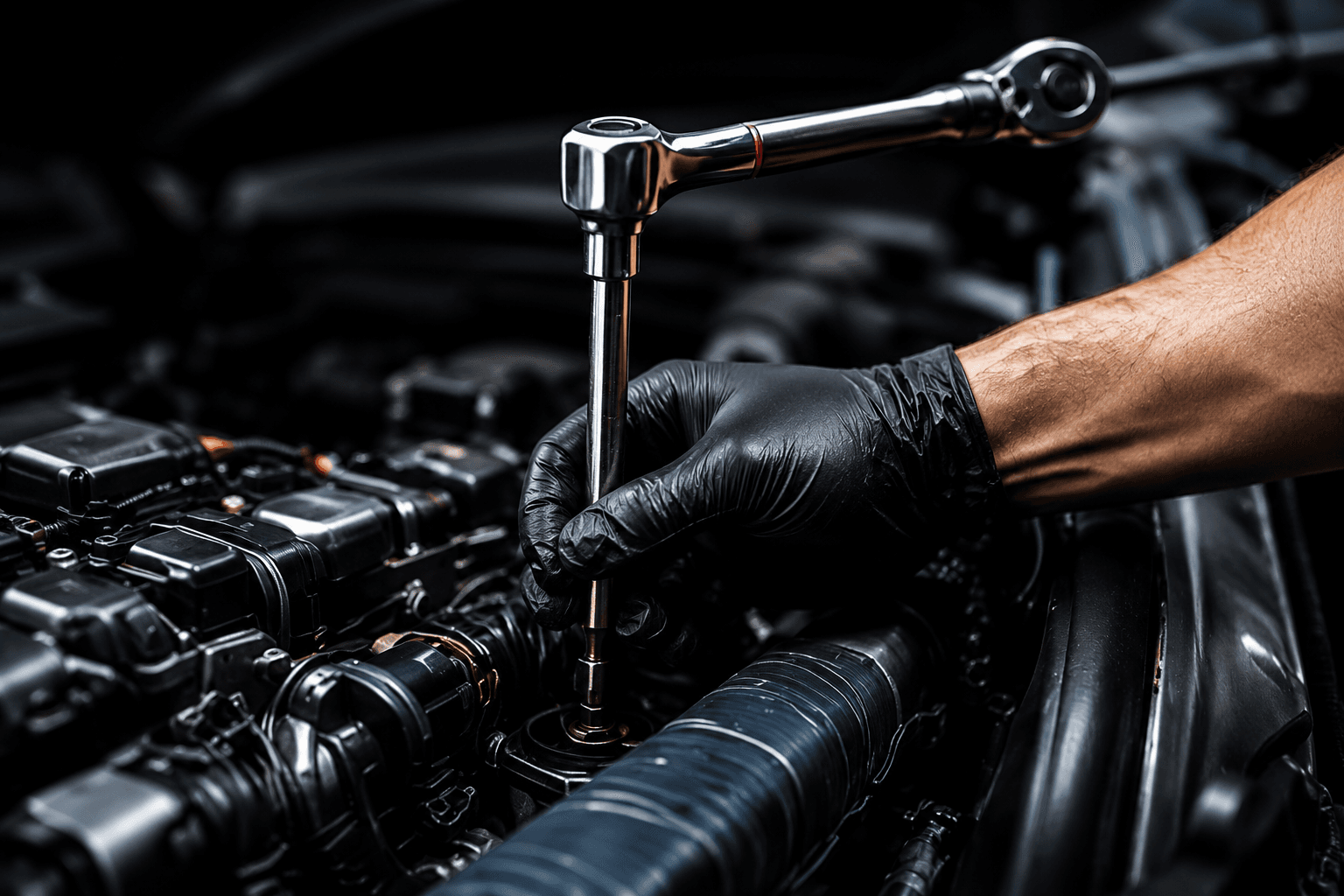
Check the coolant level when the engine is cold, and look at its condition — coolant that has gone brown or cloudy has lost its corrosion protection. Squeeze the top radiator hose: it should be firm and pliable, not hard, spongy or crazed.
Brakes and fluids
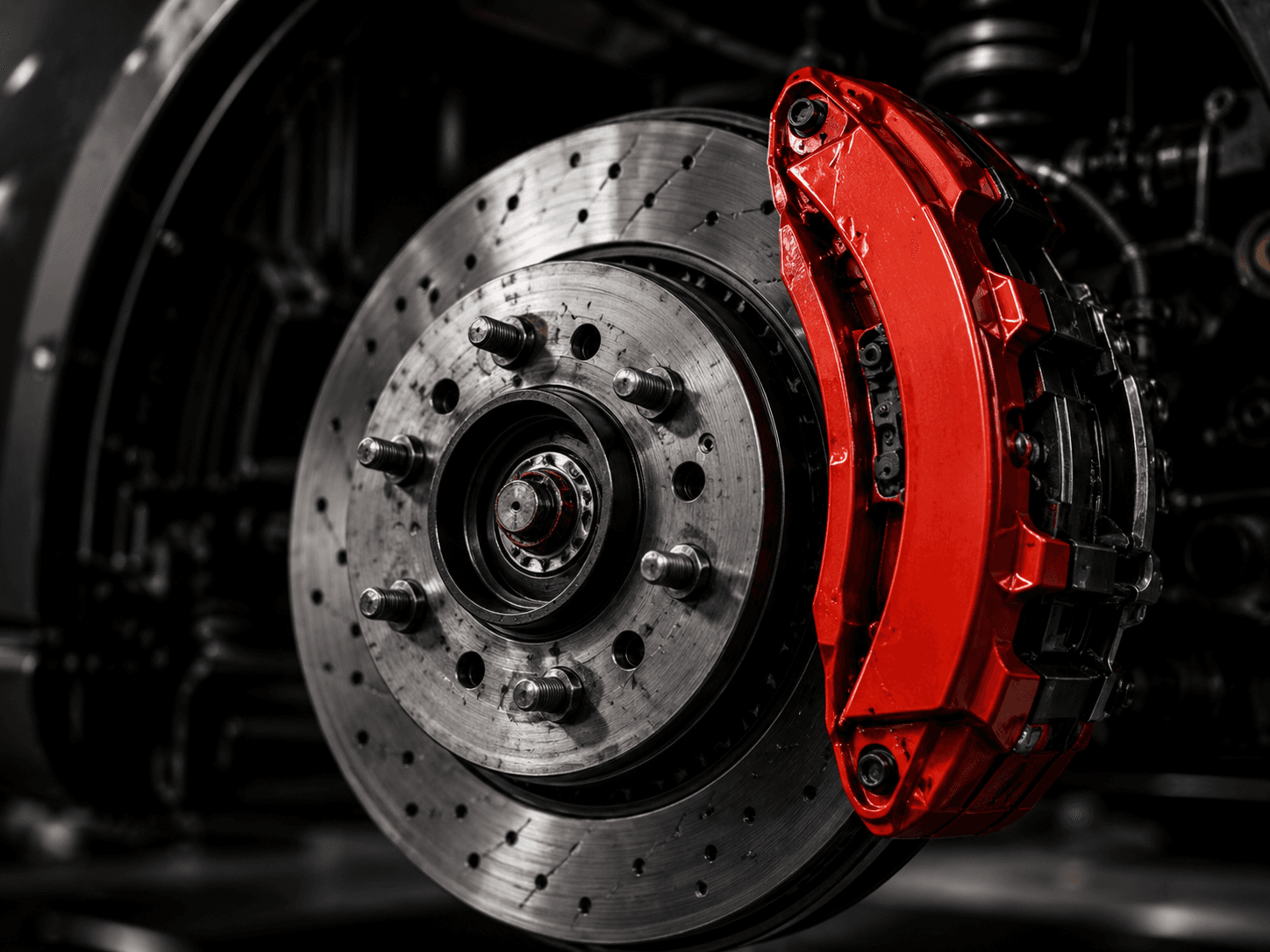
Long descents ask far more of brakes than suburban driving ever does. If the pedal feels different from usual, if there is any vibration under braking, or if you hear a squeal, get it inspected before you leave rather than at the bottom of a range.
Check the engine oil level on level ground, top up washer fluid, and note that brake fluid should be changed roughly every two years regardless of distance — it absorbs moisture from the air, and moisture lowers its boiling point.
Lights, wipers and vision
Have someone walk around the car while you work through headlights, indicators, brake lights and reverse lights. Replace wiper blades that streak — driving into low afternoon sun through a smeared windscreen is genuinely dangerous, and so is the first rain after a long dry spell.
Load the car properly
Heavy items low and forward of the rear axle. Nothing loose in the cabin — an unrestrained object becomes a projectile in a heavy stop. If you are towing, check the tow ball weight, the coupling and the trailer lights, and remember that a loaded vehicle needs considerably more room to pull up.