How often should you service your car in Australia?
Kilometres or months, whichever comes first — but the conditions you drive in change the answer more than most people realise.
Most modern vehicles sold in Australia are on a service interval somewhere between 10,000 and 15,000 kilometres, or every 12 months — whichever arrives first. Your logbook has the specific figure for your make and model, and it is the number that matters most.
The part people miss is the second half of that sentence. A car that covers 4,000 kilometres a year still needs servicing annually, because engine oil degrades with time and heat cycles as well as distance.
Why short trips are harder on an engine than long ones
An engine that never reaches full operating temperature does not burn off the moisture and unburnt fuel that condense inside the crankcase. Both dilute the oil and reduce how well it protects the moving parts inside.
If your driving is mostly school runs and trips to the shops, your car is working under what manufacturers call severe conditions — even though it sounds like the gentlest driving imaginable. So is towing, sustained stop-start traffic, and regular travel on unsealed roads.
Signs your vehicle is asking for a service early
- Fuel consumption has crept up without a change in how you drive
- The engine is noisier on start-up than it used to be
- A new vibration, whine or knock, particularly one that changes with speed
- The service light has come on — that is the vehicle counting, not guessing
- It has been more than 12 months, regardless of the odometer
What a service should actually include
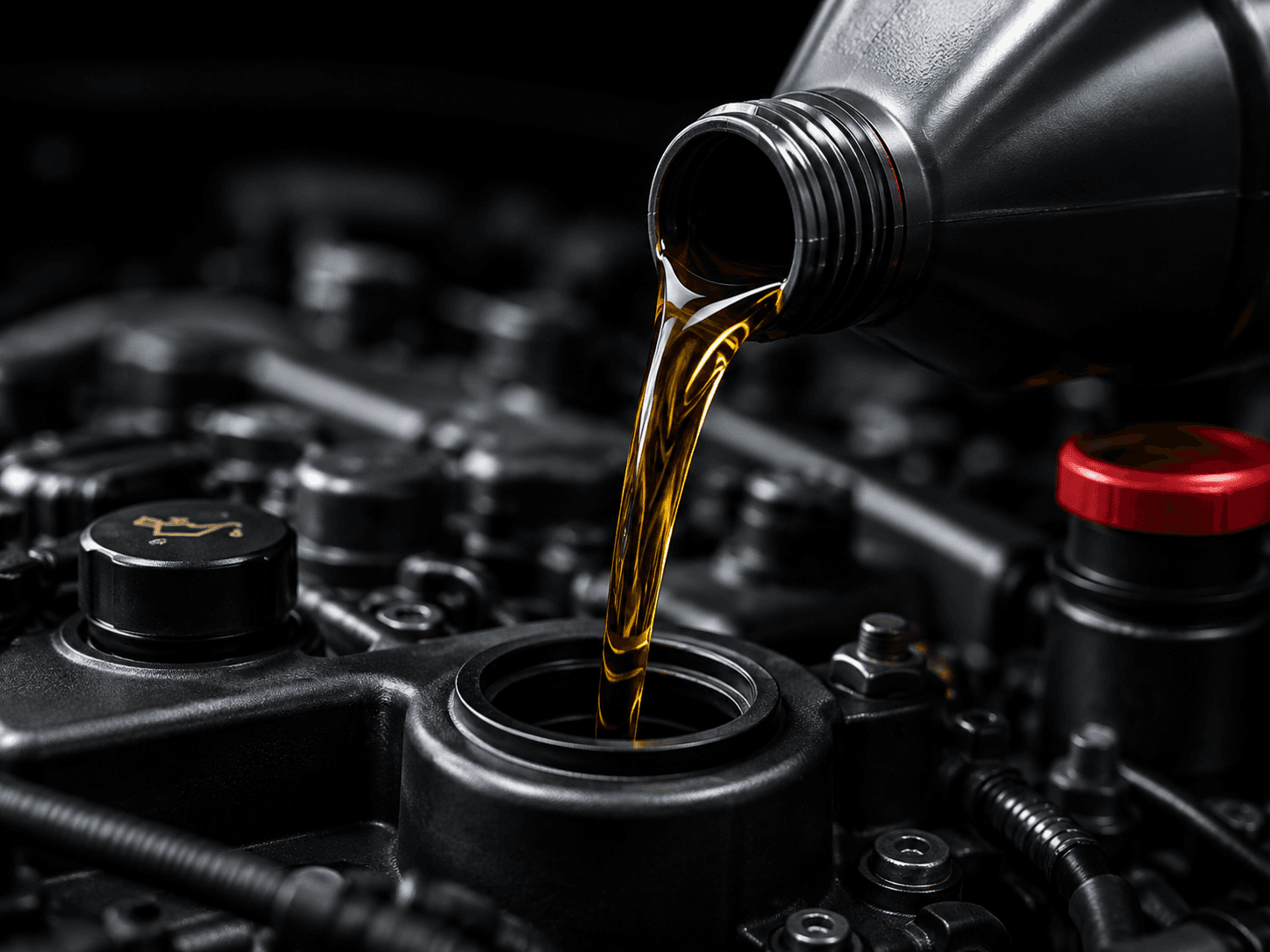
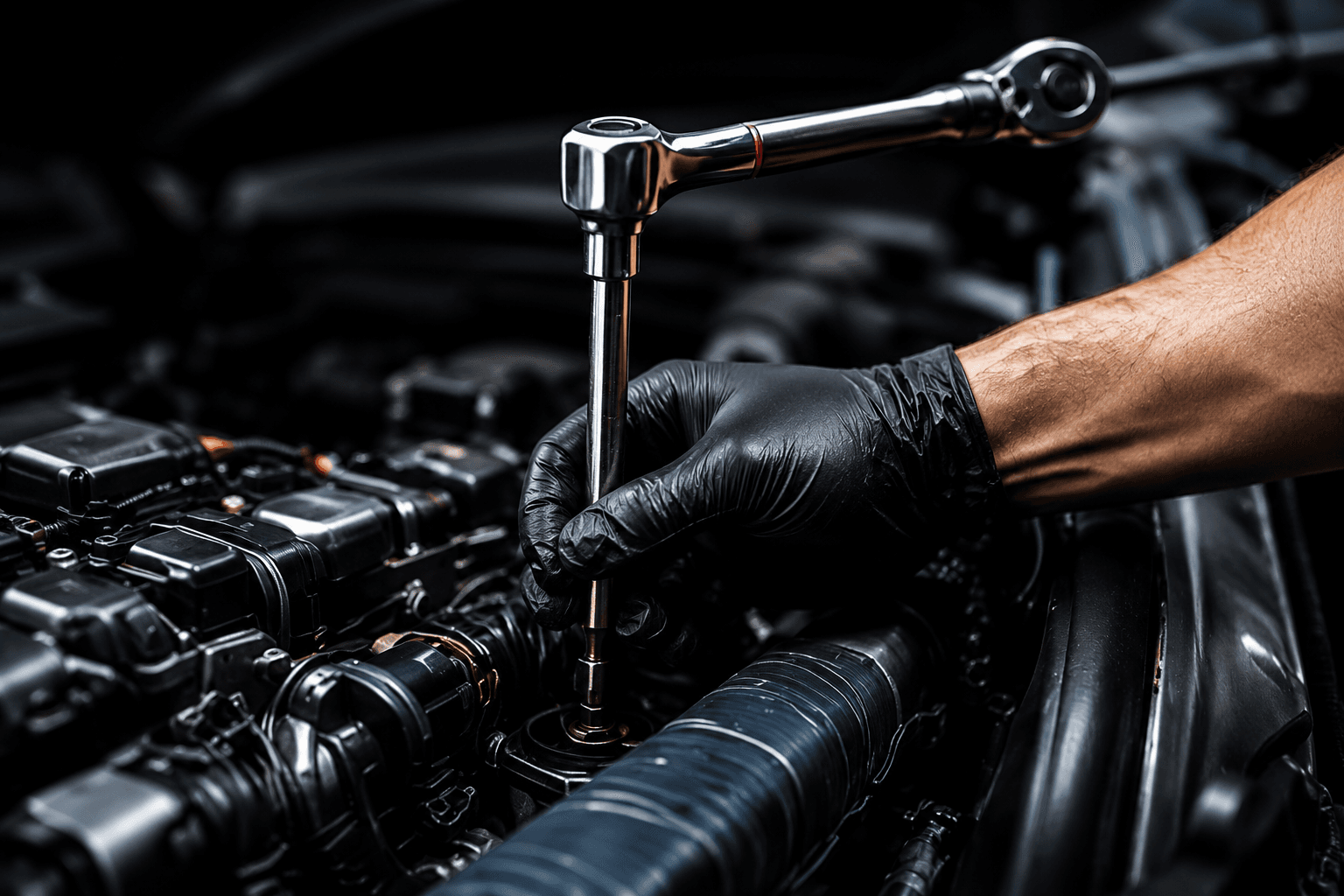
Oil and filter replacement is the headline item, but the inspection is where most of the value sits. Brakes, tyres, suspension, cooling system, battery, belts and hoses should all be checked, and you should receive a plain-language summary of anything found.
Servicing in the Australian climate
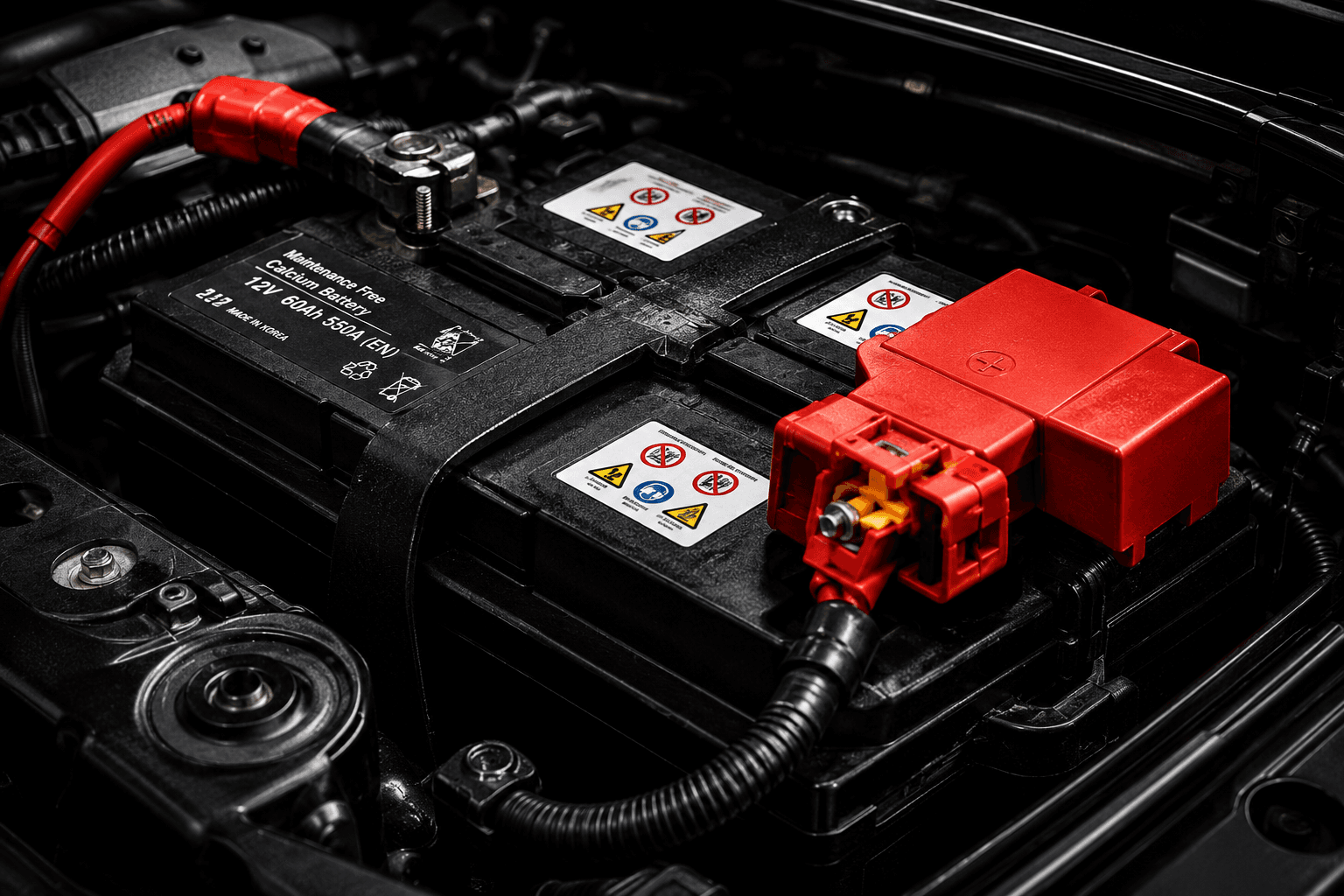
Heat is the factor that separates Australian conditions from the European testing most service schedules originate from. It shortens battery life, hardens rubber components and puts more load on cooling and air conditioning systems. Coolant condition and battery testing are worth taking seriously here in a way they are not everywhere.
Dust matters too. If your driving includes unsealed roads, air filters clog considerably faster than the schedule assumes, and a restricted filter costs fuel every kilometre it stays in.