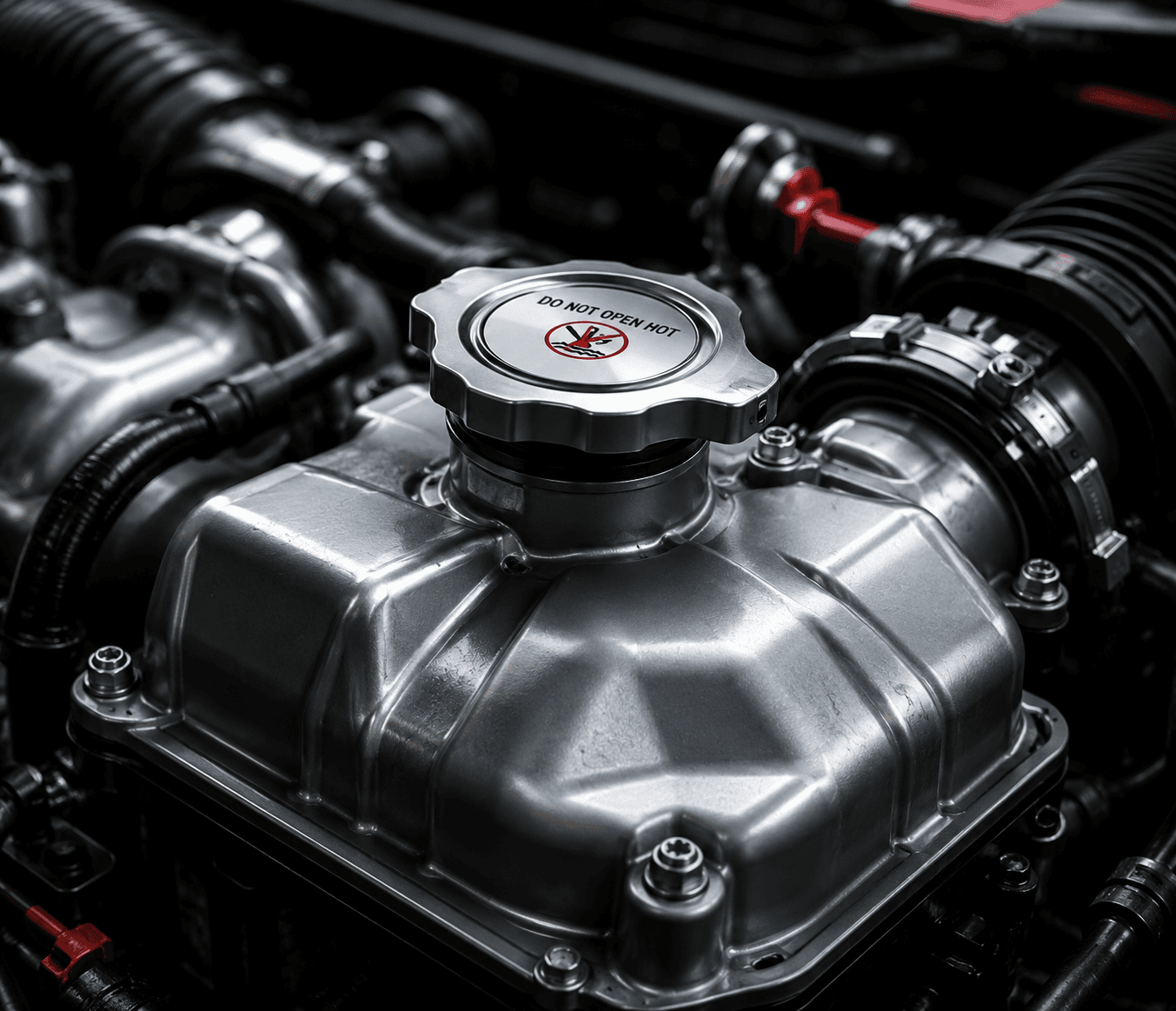
An engine rarely fails without warning. Oil consumption creeps up, a misfire appears under load, the temperature gauge sits higher than it used to, or a noise arrives that was not there last month. Caught early, most of these are contained repairs.
We diagnose the fault before any repair is authorised. That matters most on engine work, where the difference between a sensor, a gasket and internal wear is the difference between a modest bill and a decision about the vehicle's future.
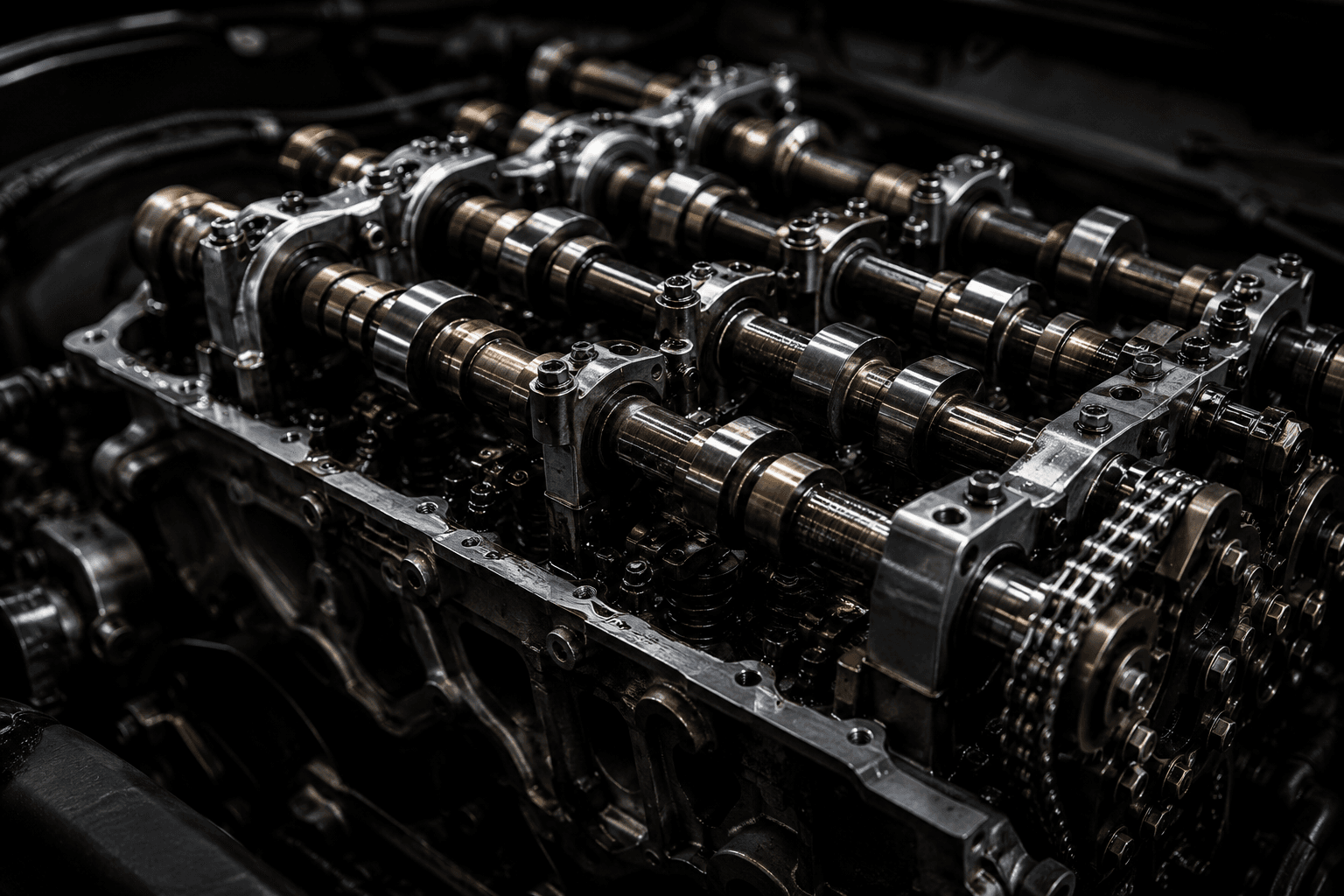
A guide to what this work typically covers. The exact scope depends on your vehicle and what we find once it's on the hoist.
Blue suggests oil reaching the combustion chamber. White that will not clear once the engine is warm can indicate coolant. Both are worth looking at early rather than late.
A leak small enough to ignore still drops the oil level between services, and the seal causing it rarely improves on its own.
Often ignition or fuelling, sometimes compression. Telling those apart is exactly what the diagnosis is for.
Engine symptoms overlap heavily. A rough idle can be a coil, an injector, a vacuum leak or a valve that is no longer sealing, and those repairs are not remotely comparable in scale. We establish which it is first, then quote the work that actually addresses it.
On an older vehicle, major internal work can cost more than the car is worth. If that is where a diagnosis lands, we will say so and set out the options — repair, replacement engine, or putting the money elsewhere. The decision is yours, but it should be an informed one.
If your question isn't covered here, call the workshop and we'll talk it through.
Not honestly, no. The same symptom can have causes that differ by an order of magnitude in cost. We diagnose first, then quote the specific repair, and you approve it before we proceed.
Tell us about your vehicle and we'll take it from there.